

California's CARB Enforcement Officers play a vital role in ensuring truck emission compliance through patrols, inspections, and investigations. They use diagnostic tools to verify emissions conformity, issue citations for violations, and collaborate with stakeholders for education and best practices. Key challenges include complex modern diesel engines and logistical constraints. Strategies to enhance compliance include educational resources, incentives for maintenance, industry collaborations, and advanced monitoring technologies. Strict penalties for non-compliance encourage proactive adherence to regulations as the trucking industry evolves towards electric and hybrid trucks by 2030. Trucking companies should invest in staff training, collaborate with experts, and adopt innovative solutions for routine emissions checks to meet future standards.
In the realm of transportation logistics, CARB enforcement officers play a pivotal role in shaping environmental sustainability. With a growing emphasis on clean air and reducing emissions, these officers scrutinize compliance across various sectors, particularly targeting trucks that naturally contribute significantly to pollution. However, the current landscape presents challenges, including a shortage of trained personnel and evolving regulatory norms. This article delves into the intricacies of CARB enforcement, offering insights into best practices and innovative strategies to enhance efficiency while ensuring adherence to stringent environmental standards.
- The Role and Responsibilities of CARB Enforcement Officers
- Recruitment, Training, and Certification Processes
- Challenges in Truck Emission Compliance
- Monitoring Techniques for Commercial Vehicles
- Penalties and Enforcement Actions Against Violators
- Future Trends in CARB Truck Regulation Enforcement
The Role and Responsibilities of CARB Enforcement Officers

CARB (California Air Resources Board) Enforcement Officers play a pivotal role in ensuring environmental compliance across the state of California. Their primary responsibility is to enforce regulations aimed at reducing greenhouse gas emissions, particularly from vehicles and trucks. These officers are tasked with patrolling highways, conducting inspections, and investigating complaints related to air pollution control laws. One of their key duties involves verifying emissions conformity in vehicles, including trucks, by examining emission control systems and documenting results.
Enforcement officers must possess a deep understanding of complex automotive technologies and regulatory frameworks. They utilize advanced tools for diagnostic testing, such as on-board diagnostics (OBD) scanners, to identify potential violations. For instance, they can detect faulty exhaust systems or tampering with emissions controls in trucks, which are critical for maintaining air quality standards. When non-compliance is identified, officers issue citations and may require vehicle repairs or retrofits to bring them into compliance. Regular enforcement actions help maintain the integrity of California’s strict environmental regulations, especially concerning the transportation sector.
To effectively carry out their roles, these officers collaborate closely with various stakeholders. They work hand in hand with vehicle manufacturers, repair shops, and law enforcement agencies to ensure a coordinated approach to emissions control. Additionally, they participate in training programs to stay updated on emerging technologies and regulatory changes, enabling them to adapt to the dynamic nature of the industry. Regular interactions with trucking companies and fleet managers are also crucial for understanding operational challenges and providing education on best practices to minimize environmental impact.
Recruitment, Training, and Certification Processes

The recruitment, training, and certification of CARB enforcement officers play a pivotal role in ensuring the environmental integrity of truck regulations. A robust process is essential to equip these officers with the knowledge and skills to inspect trucks effectively, interpret complex emission standards, and educate both industry professionals and the public about compliance requirements.
Recruitment strategies should focus on attracting candidates with strong analytical abilities, technical aptitude, and a passion for environmental protection. Many successful programs offer competitive salaries, benefits packages, and opportunities for career advancement within the agency. To enhance diversity and inclusivity, recruitment efforts can be tailored to reach underrepresented communities, leveraging partnerships with local organizations and industry associations that serve diverse truck operators.
Training programs must evolve to keep pace with technological advancements in the trucking sector. A comprehensive curriculum should incorporate hands-on training with modern emission testing equipment, virtual simulations for complex scenarios, and regular updates on new regulations and best practices. For instance, officers should be proficient in diagnosing and interpreting data from various truck emissions systems, including diesel particulate filters and selective catalytic reducers. Real-world case studies featuring successful enforcement actions can provide valuable insights into practical problem-solving.
Certification processes serve as a gold standard for competency assurance. Officers must demonstrate mastery of emission standards, inspection procedures, and compliance verification techniques through rigorous examinations. Regular refresher courses are vital to keep their skills sharp and ensure they remain current with evolving technologies and regulatory changes. For instance, the California Air Resources Board (CARB) offers specialized certification tracks for heavy-duty truck inspectors, reflecting the unique challenges posed by these vehicles’ complex emission control systems.
Challenges in Truck Emission Compliance

CARB enforcement officers face significant challenges when it comes to truck emission compliance. The ever-increasing number of trucks on our roads, coupled with the complex nature of modern diesel engines, creates a formidable task in ensuring these vehicles meet strict environmental standards. One of the primary hurdles is the intricate technology involved in truck emissions systems. Modern trucks are equipped with advanced exhaust gas aftertreatment devices like selective catalytic reducers (SCRs) and particulate matter filters, which require precise calibration and regular maintenance to function optimally. Non-compliance often stems from either a lack of proper training for drivers and mechanics or insufficient resources to perform timely diagnostics and repairs.
For instance, a 2021 study by the California Air Resources Board (CARB) revealed that a significant portion of inspected trucks exceeded emission limits, with many due to improperly maintained or faulty emissions control systems. This highlights the need for more rigorous training programs and regular, mandatory inspections. Additionally, the dynamic nature of trucking operations presents logistical challenges. Long-haul carriers, in particular, face difficulties in maintaining consistent compliance across their diverse fleets and varying routes. The requirement to adhere to emission standards while navigating different state regulations and rapidly changing technology demands a high level of expertise and coordination from fleet managers.
To address these challenges, CARB enforcement officers should emphasize proactive measures such as providing educational resources for drivers and mechanics, offering incentives for regular maintenance, and facilitating industry collaborations to share best practices. Furthermore, leveraging advanced monitoring technologies can help identify non-compliant trucks more efficiently. By combining traditional inspections with telematics data and remote diagnostics, authorities can ensure that trucks meet emission standards not just during static tests but also while operating on the road. Ultimately, a multifaceted approach that combines education, incentives, and technology will be crucial in tackling the challenges of truck emission compliance.
Monitoring Techniques for Commercial Vehicles

Commercial vehicle monitoring is a critical aspect of CARB enforcement, ensuring compliance with emissions standards and safety regulations. Enforcement officers employ sophisticated techniques to track and inspect trucks, buses, and other commercial vehicles. One of the primary tools in their arsenal is remote sensing technology, such as satellite tracking devices and video surveillance systems. These technologies enable real-time monitoring of vehicle locations, speeds, and behavior, allowing officers to identify potential violations like excessive idling or unauthorized operations before they occur.
For instance, advanced GPS systems integrated with telematics platforms provide detailed data on vehicle performance and driver behavior. This information can flag anomalies like sudden stops or unusual routes, prompting officers to investigate further. Additionally, enforcement agencies are leveraging machine learning algorithms to analyze vast datasets collected from these monitoring systems, identifying patterns that may indicate non-compliance. For example, a study by the California Air Resources Board (CARB) found that specific driving behaviors often correlated with higher emissions levels in trucks, leading to targeted interventions and improved compliance rates.
On-site inspections remain crucial, however, as they provide a comprehensive view of vehicle condition and operational practices. Enforcement officers conduct thorough examinations, checking for proper maintenance records, emissions control systems integrity, and adherence to safety standards. Random spot checks and scheduled inspections are effective strategies to deter non-compliance. For trucks operating in heavily regulated industries, such as those carrying hazardous materials, continuous monitoring coupled with rigorous on-site audits ensures a higher degree of accountability.
By combining remote sensing techniques with rigorous inspection protocols, CARB enforcement officers can effectively navigate the complex landscape of commercial vehicle regulation. This multifaceted approach not only enhances compliance but also contributes to safer roads and improved environmental quality, ultimately benefitting both industry stakeholders and the public at large.
Penalties and Enforcement Actions Against Violators
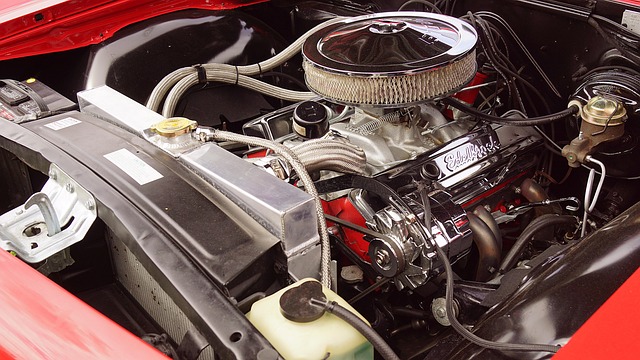
CARB enforcement officers play a pivotal role in ensuring compliance with environmental regulations, particularly when it comes to trucks and other vehicles. When violators disregard these rules, severe penalties and enforcement actions are triggered. These measures serve as deterrents and aim to uphold the integrity of air quality standards. One common consequence involves fines, which can vary significantly based on the nature and extent of the violation. For instance, a 2021 study revealed that average fines for truck emissions violations ranged from $3,000 to $15,000 per incident, with repeat offenders facing stiffer penalties.
Enforcement actions extend beyond monetary fines. They may include vehicle impoundment, where non-compliant trucks are temporarily seized, preventing further operation until the violation is rectified. In severe cases, license suspensions or revocations can be imposed on trucking companies, significantly impacting their operations and reputation. A notable example occurred in 2019 when a large logistics company was fined $5 million and had its operating license suspended for multiple violations related to diesel truck emissions. These stringent measures not only serve as punishment but also as learning opportunities for industry players.
Moreover, CARB officers have the authority to order emission-related modifications to vehicles. This could entail retrofitting trucks with advanced pollution control systems or replacing aging engines. Such corrective actions are often mandated in cases of blatant disregard for emission standards. To ensure compliance, trucking companies must stay abreast of evolving regulations and invest in proper training for their staff. Regular maintenance checks and prompt reporting of any non-compliance issues can significantly mitigate the risk of penalties. Proactive adherence to these measures will not only protect against financial losses but also contribute to a cleaner, healthier environment.
Future Trends in CARB Truck Regulation Enforcement

As the transportation industry continues to evolve, the role of CARB (California Air Resources Board) enforcement officers in regulating truck emissions becomes increasingly critical. Future trends in CARB truck regulation enforcement are poised to bring significant changes, driven by advancements in technology and a growing emphasis on environmental sustainability. One notable trend is the increased adoption of electric and hybrid trucks. With stricter emission standards, manufacturers are investing heavily in developing more efficient and eco-friendly vehicles. For instance, many major trucking companies have committed to transitioning their fleets to zero-emission trucks by 2030, marking a substantial shift from traditional diesel-powered trucks.
Another emerging trend is the utilization of advanced monitoring systems and data analytics. CARB enforcement officers are leveraging real-time tracking data, GPS technology, and telematics to monitor compliance with emission regulations. These tools enable more proactive enforcement, allowing authorities to identify non-compliant vehicles promptly. For example, some states have implemented automated license plate recognition (ALPR) systems to track and verify truck emissions certifications, enhancing overall accountability. As this technology advances, it promises to revolutionize how CARB enforces regulations, particularly in urban areas with dense trucking activity.
To stay ahead of these trends, trucking companies should invest in training their staff on the latest emission standards and technologies. Collaborating with industry experts and staying informed about regulatory changes can provide valuable insights. Additionally, embracing innovative solutions like implementing advanced diagnostic tools for routine emissions checks can help ensure compliance. By proactively adapting to these future trends, CARB enforcement officers and trucking businesses alike will contribute to cleaner air, reduced pollution, and a more sustainable transportation network, particularly in the context of growing truck traffic.
CARB enforcement officers play a pivotal role in ensuring truck emission compliance, navigating complex regulations to safeguard environmental standards. This article has illuminated critical aspects of their work, from understanding the officers’ responsibilities in monitoring trucks naturally to exploring innovative monitoring techniques and the evolving landscape of CARB regulation. The recruitment, training, and certification processes highlighted underscore the importance of a skilled workforce, while challenges discussed offer insights into potential areas for improvement. Furthermore, an examination of enforcement actions and penalties demonstrates the consequences of non-compliance, emphasizing the officers’ crucial role in upholding environmental protection measures. By delving into these topics, readers gain valuable knowledge about CARB enforcement, empowering them to contribute to a more sustainable future for trucking and the environment.