

Understanding and navigating truck exemption rules is vital for businesses to optimize logistics while adhering to safety standards. Local regulations offer specific exemptions for trucks in sectors like agriculture and emergency services, considering their unique operational needs. Proactive management involves staff training, regular audits, and staying updated on regulatory changes to avoid penalties. Businesses seeking exemptions must thoroughly document operations and engage with regulatory bodies. Balancing rights and responsibilities ensures safe operation and contributes to an efficient trucking industry.
Exemptions play a pivotal role in shaping the logistics industry, particularly when it comes to regulating commercial vehicles like trucks. The complex web of rules and exceptions can significantly impact efficiency and safety on our roads. Currently, a patchwork of regulations creates confusion and bottlenecks, hindering seamless operations for truckers and logisticians alike. This article delves into the intricate world of exemptions, aiming to demystify and streamline this critical aspect. By examining existing practices and proposing a unified framework, we strive to enhance safety, reduce red tape, and foster a more robust and responsive trucking sector.
- Understanding Truck Exemption Rules
- Who Qualifies for Exemptions in Transportation?
- Navigating Exemptions: Rights & Responsibilities
Understanding Truck Exemption Rules

Understanding Truck Exemption Rules is a vital aspect of navigating the complex landscape of transportation regulations. In many jurisdictions, trucks are subject to unique exemptions designed to balance safety concerns with the fluidity of goods movement. These exemptions often cater to specific sectors, such as agriculture or emergency services, reflecting the critical roles these vehicles play in daily operations. For instance, in the United States, the Federal Motor Carrier Safety Administration (FMCSA) oversees a comprehensive set of rules that include exemptions for certain types of trucks involved in agricultural and farm-related activities, allowing for continued operation without full compliance to standard regulations.
Practical insights into these exemptions reveal a nuanced approach that requires businesses operating trucks to stay informed about specific criteria. For example, an exemption might be available for farm vehicles transporting produce within a defined radius, but not for long-haul commercial truck operations. This distinction underscores the importance of understanding both the letter and spirit of the law. Businesses should review official guidelines carefully, as interpretations can vary, potentially leading to compliance issues or, conversely, missed opportunities for operational efficiencies.
Expert advice emphasizes the need for proactive management. Companies dealing with trucks must invest in training to ensure their staff is aware of applicable exemptions. Regular audits and updates on regulatory changes are also essential, particularly given the dynamic nature of transportation laws. By staying ahead of these developments, businesses can avoid costly penalties and leverage exemptions effectively to optimize their logistics while adhering to safety standards. This strategic approach not only enhances operational resilience but also promotes a positive image as responsible participants in the trucking industry.
Who Qualifies for Exemptions in Transportation?

In the realm of transportation regulations, exemptions play a vital role in shaping the industry, especially when it comes to commercial vehicles like trucks. The qualification criteria for exemptions are meticulously designed to ensure fair competition while accommodating unique operational needs. This section delves into who is eligible for these exemptions, offering a comprehensive guide for businesses and regulatory bodies alike.
Trucks, naturally, find themselves at the forefront of this discussion due to their critical role in logistics and supply chain management. Exemptions are available based on various factors such as vehicle size, weight, purpose, and operating conditions. For instance, smaller trucks or those utilized for intra-company transportation might qualify for reduced regulations, considering their lesser impact on road safety and traffic flow compared to larger rigs. Furthermore, certain industries, like agriculture, construction, or emergency services, may be granted exemptions due to the specialized nature of their operations and the unique challenges they face in securing efficient logistics solutions.
Practical implementation requires a detailed assessment of each truck’s operation. Regulatory bodies often employ sophisticated data analytics to identify patterns and assess risk levels associated with different vehicles and routes. This data-driven approach ensures that exemptions are granted judiciously, balancing the need for operational flexibility with public safety. For example, a study by the Department of Transportation revealed that trucks operating on secondary roads during off-peak hours presented significantly lower risks, leading to potential exemption considerations for these specific scenarios.
Expert advice suggests that companies aiming to secure exemptions should thoroughly document their operations, highlighting unique factors like specialized cargo, route efficiency, and safety records. Proactive engagement with local regulatory bodies can also facilitate the process, ensuring compliance while taking advantage of available exemptions. By understanding and navigating these complexities, businesses can optimize their transportation strategies, fostering a safer and more efficient trucking industry.
Navigating Exemptions: Rights & Responsibilities
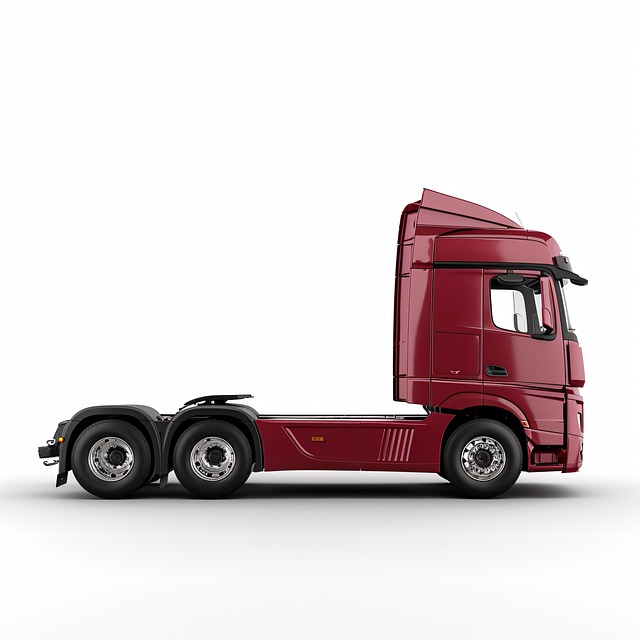
Navigating exemptions involves understanding both rights and responsibilities, especially when it comes to trucks on public roads. In many jurisdictions, certain types of vehicles, including trucks, enjoy specific exemptions from general traffic laws due to their unique operational characteristics. These exemptions are designed to balance safety with practicality, acknowledging that trucks have distinct needs and constraints compared to passenger cars. For instance, weight restrictions on bridges might exempt trucks while imposing slower speed limits to ensure structural integrity.
Trucks’ inherent nature as heavy-duty vehicles often necessitates tailored regulations. Exemptions can include reduced tolls for certain commercial vehicles, allowing businesses to offset fuel and operational costs. However, these privileges come with responsibilities; truck operators must adhere to specific safety standards, vehicle maintenance protocols, and operational guidelines. Failure to comply can result in penalties, highlighting the importance of knowledge and adherence. For example, a trucker ignorant of a low-bridge warning might face legal consequences, underscoring the need for comprehensive training and awareness.
Practical insights for navigating these exemptions include staying updated on local regulations, ensuring proper vehicle registration and licensing, and adhering to safety protocols. Regular reviews of legislative changes are crucial as laws evolve to address emerging challenges in trucking. By embracing their rights while fulfilling responsibilities, truck operators not only avoid legal pitfalls but also contribute to a safer, more efficient transportation network.
Understanding truck exemption rules is paramount for both drivers and regulators, as these regulations significantly impact the transportation industry. The article has illuminated key aspects, including who qualifies for exemptions and the rights and responsibilities involved. By navigating these exemptions effectively, stakeholders can ensure compliance while optimizing operations for trucks on our roads. Practical next steps include staying updated on evolving laws, consulting experts when needed, and fostering open dialogue among industry players to streamline processes. This authoritative guide empowers readers with essential insights, enabling them to make informed decisions in this dynamic landscape.