
Preparing for inspections on trucks requires a multi-faceted approach:
1. Comprehensive Checklist: Use a pre-inspection checklist covering visual inspections, tire pressure, brake condition, rust checks, light functionality, and window integrity.
2. Maintenance Records: Regular updates of maintenance records are crucial for compliance with FMCSA standards and registration/insurance renewals.
3. Key Focus Areas: Adhere to vehicle maintenance, driver records, hours-of-service logs, and regulations like the Safety Fitness Standard (SFS).
4. Digital Record-Keeping: Digitize repair records through cloud systems or specialized software for easy access and reduced risk of loss.
5. Paperwork Management: Maintain detailed records including driving logs, licenses, insurance, and registration to avoid penalties.
6. Exterior Inspection: Thoroughly inspect structural integrity, lighting systems, glass, body panels, wheel wells, and undercarriage.
7. Cargo Security: Secure loads using appropriate methods like ratchet ties, chains, and netting; provide regular training for drivers and loading personnel.
In the highly regulated transportation industry, preparation for inspections is paramount to ensure safety, maintain compliance, and avoid costly delays. Whether it’s a routine inspection or an unexpected stop by authorities, being ready can make all the difference for truck operators and fleet managers alike. This article delves into a comprehensive strategy to prepare for these critical checks, offering valuable insights that are both practical and authoritative. By understanding the key areas to focus on, you’ll not only mitigate risks but also streamline operations, keeping your trucks on the road and your business thriving.
- Assess Your Truck's Condition: A Pre-Inspection Checklist
- Understand Inspection Standards: Laws & Regulations for Trucks
- Document Maintenance Records: Keeping Track of Repairs
- Prepare Papers and Documentation: Legal Requirements for Truck Owners
- Conduct a Thorough Exterior Check: Inspecting Every Aspect
- Ensure Safe Load Security: Best Practices for Cargo Safety
Assess Your Truck's Condition: A Pre-Inspection Checklist

Preparing for an inspection requires a meticulous assessment of your truck’s condition to ensure it meets the highest standards. This process is not just about checking boxes; it involves a comprehensive evaluation of every component, from engine functionality to exterior integrity. Trucks, by their very nature, are built to endure rigorous conditions, but even the sturdiest vehicle needs regular maintenance and care.
A pre-inspection checklist should be your guiding tool. It starts with a visual inspection, noting any signs of wear or damage. Check for proper tire inflation, including spare tires, as under-inflated tires are common issues. Examine brakes for excessive wear, ensuring all components are in good condition to prevent safety hazards. The engine compartment requires special attention—verify oil levels, check for leaks, and ensure the battery is charged. Look for any signs of rust or corrosion, especially in older trucks, as these can indicate structural integrity issues.
Additionally, verify that all lights, signals, and mirrors are functional, ensuring optimal visibility. Inspect windows and windshields for cracks or chips, replacing them if necessary to maintain clear visibility. Remember, a well-maintained exterior reflects on the overall condition of your truck. Document any repairs or maintenance done, as having detailed records demonstrates responsible ownership. Regularly updating these records is crucial, especially when preparing for inspections that could impact vehicle registration or insurance renewals.
Understand Inspection Standards: Laws & Regulations for Trucks

Preparing for inspections, particularly those involving trucks, requires a deep understanding of the governing laws and regulations. In the United States, for instance, the Federal Motor Carrier Safety Administration (FMCSA) sets these standards to ensure safety on our nation’s highways. Compliance is not just about avoiding penalties; it’s about upholding industry integrity and safeguarding lives.
Key areas of focus include vehicle maintenance, driver records, hours-of-service logs, and cargo securing practices. For trucks, this means regularly inspecting brakes, lights, tires, and cargo securement systems to prevent accidents and ensure compliance with regulations like those set forth in the Safety Fitness Standard (SFS). A 2019 FMCSA report highlighted that well-maintained trucks have significantly lower accident rates, emphasizing the importance of adhering to these standards.
Practical advice for truck operators includes maintaining detailed records, conducting pre-trip inspections, and ensuring all driver training is up-to-date. Regular maintenance schedules, documented in service records, can help prevent costly repairs and delays at inspection points. Additionally, understanding specific regulations relevant to your trucking operation—such as those governing tank trucks or hazardous materials carriers—is crucial for a smooth inspection process. Consulting with industry experts and staying informed about updates to trucking laws can provide valuable insights tailored to individual needs.
Document Maintenance Records: Keeping Track of Repairs

Maintaining comprehensive records of repair work is an integral part of preparing for any inspection, especially in heavily regulated industries where compliance is paramount. For businesses relying on fleets of trucks as essential operations assets, proper documentation can be the difference between a seamless inspection process and significant delays or fines. Each repair, service, and maintenance activity should be meticulously recorded, creating a detailed history that allows for quick reference and verification.
Effective document management involves digitizing these records to ensure accessibility and reduce the risk of loss or damage. Cloud-based systems or specialized software platforms offer secure storage and efficient organization, enabling authorized personnel to retrieve information swiftly. For instance, a fleet manager can quickly access the service history of a specific truck, including when the last brake check was performed, engine oil changed, or tires rotated, all vital data that can be presented during an inspection. This digital trail not only enhances accountability but also facilitates trend analysis, allowing managers to identify recurring issues and implement preventive measures.
Practical advice for keeping repair records includes establishing standardized forms or templates, ensuring consistency across the organization. These should capture relevant details such as date, description of work performed, parts replaced, labor costs, and any observations made during the repair process. Regular reviews of these records by qualified personnel can identify potential issues that may require further investigation. For example, a pattern of brake failures in a particular truck model could indicate a safety concern that needs immediate attention, ensuring compliance with safety standards and preventing potential accidents.
Prepare Papers and Documentation: Legal Requirements for Truck Owners

Preparing for inspection is a critical aspect of truck ownership, ensuring compliance with legal requirements and promoting safety on the road. Among the many considerations, one of the most crucial yet often overlooked areas involves paperwork and documentation. For truck owners, this process demands meticulous attention to detail and a thorough understanding of applicable laws.
Truck owners are responsible for maintaining comprehensive records that cover various aspects of their operations. This includes logbooks detailing driving hours, rest periods, and vehicle maintenance; driver’s licenses and insurance documents; and proof of vehicle registration. Non-compliance with these legal requirements can result in hefty fines and potential licensing suspensions. For instance, the Federal Motor Carrier Safety Administration (FMCSA) in the United States mandates strict adherence to record-keeping rules, emphasizing the need for accurate and up-to-date documentation.
Organizing these documents efficiently is key to a stress-free inspection process. Create a designated system for storing and retrieving papers quickly. Digital copies of important files can be stored in secure cloud platforms, ensuring accessibility even during inspections. Regularly update these records to reflect any changes in vehicle details or driver information. By prioritizing proper documentation, truck owners can streamline the inspection process, avoid potential legal pitfalls, and maintain the highest standards of professionalism.
Conduct a Thorough Exterior Check: Inspecting Every Aspect
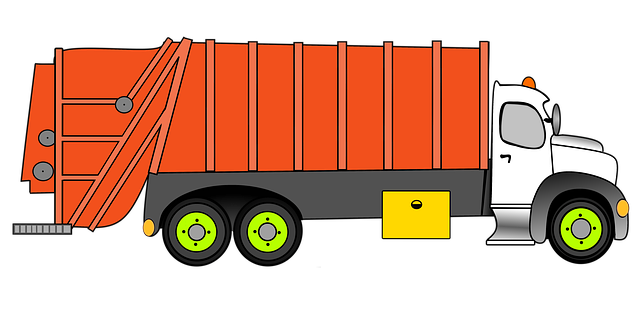
A meticulous exterior check is a crucial step in preparing for any inspection, especially when it comes to vehicles like trucks. Every inch of the truck’s external structure, from the chassis to the cab, should be scrutinized to ensure it meets safety and operational standards. This involves not just a visual assessment but also functional testing where applicable. For instance, inspect all lighting systems – headlamps, taillights, turn signals – for proper illumination and alignment. Any crack or loose component in the headlights or windshields should be addressed immediately as they can impair visibility during operation.
The exterior of trucks, particularly the body panels, wheel wells, and undercarriage, often reveals signs of wear and tear that can be easily missed. Rust or corrosion could indicate structural weaknesses, especially in areas prone to moisture buildup. Check for signs of leaks around doors, windows, and cargo areas, which may signal maintenance issues or potential problems with sealing integrity. In regions with harsh climates, it’s not uncommon for trucks to accumulate damage from road salt and ice, further emphasizing the need for thorough examination. Regular underbody inspections can help in identifying any damage from road debris or previous accidents that might affect handling and stability.
Functional testing extends beyond lighting to include the operation of windows, mirrors, wipers, and other exterior controls. Ensure all components operate smoothly and effectively. Doors should open and close securely without any signs of misalignment, while mirrors need to provide clear views of the surroundings, free from distortion. This meticulous attention to detail ensures that your truck is not only presentable but also meets regulatory requirements during inspection. Remember, a well-maintained exterior not only enhances safety but can also command better resale value and fuel efficiency over time.
Ensure Safe Load Security: Best Practices for Cargo Safety
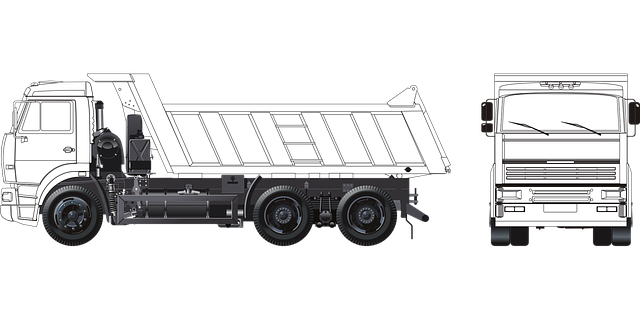
Ensuring safe load security is paramount when preparing for inspection, especially considering the significant role trucks play in modern logistics. With millions of truckloads transported annually, maintaining cargo safety isn’t just a best practice—it’s a non-negotiable for businesses and regulators alike. A single incident involving loose or insecurely fastened cargo can lead to substantial financial losses, environmental damage, and even loss of life.
To mitigate these risks, operators must adopt comprehensive strategies that encompass pre-load planning, proper loading techniques, and continuous monitoring. For instance, a study by the Federal Motor Carrier Safety Administration (FMCSA) revealed that over 70% of cargo shift incidents involved loads not properly secured with ropes or straps. Therefore, the use of appropriate tying down equipment, such as ratchet ties, chains, and netting, is essential. These methods should be chosen based on the type, size, and weight of the cargo, ensuring a secure fit that complies with industry standards.
Regular training for drivers and loading personnel is another critical component. Understanding the physics of load stability and proper securing techniques can significantly reduce the risk of cargo displacement during transit. Additionally, using load monitoring systems in trucks can provide real-time data on cargo movement, allowing operators to take immediate corrective actions if necessary. By implementing these best practices, truckers not only ensure compliance with regulations but also enhance their operational efficiency and safety record.
By meticulously following a pre-inspection checklist, understanding and adhering to truck inspection standards and laws, maintaining comprehensive maintenance records, and ensuring proper cargo security, truck owners can confidently prepare for inspections. These steps not only enhance safety but also demonstrate compliance, potentially saving time and resources. Implement these key insights into your routine maintenance practices to ensure your trucks meet regulatory standards and operate at peak performance.