

The repair verification process for trucks involves systematic inspections, functional testing, and advanced diagnostics to ensure quality and safety. Pre-inspection assessments, combining tech tools with manual checks, reveal hidden flaws. Damage evaluation uses high-res imaging, moisture meters, OBD, and CAD software. Parts authentication prevents counterfeits through RFID, barcodes, and trusted suppliers. Final inspections, including structural integrity checks and digital checklists, maintain rigorous standards. These steps reduce repair incidents, enhance safety, efficiency, and customer satisfaction in truck fleets.
The repair verification process is a critical component of maintaining the safety and efficiency of vehicles, particularly in the commercial trucking industry. As trucks play an indispensable role in global logistics, ensuring the accuracy and reliability of repairs is paramount. However, navigating the verification process can be complex, involving multiple stakeholders, intricate procedures, and stringent standards. This article delves into the intricacies of the repair verification process, offering a comprehensive guide to streamline operations, enhance safety, and foster trust among all parties involved. By the end, readers will grasp the significance of meticulous verification and armed with knowledge to implement best practices, ensuring the highest standards of quality and safety in truck repairs.
- Understanding the Repair Verification Process
- Pre-Inspection: Preparing for a Comprehensive Assessment
- Evaluating Damage: Techniques and Tools for Trucks
- Parts Authentication: Ensuring Quality and Originality
- Final Inspection and Quality Assurance Checkpoints
Understanding the Repair Verification Process

The repair verification process is a critical step in ensuring the quality and integrity of vehicle repairs, particularly in the commercial trucking industry where the stakes are high and safety is paramount. This meticulous process involves a comprehensive evaluation of the repair work, aiming to verify that the repair meets the required standards and specifications. It encompasses multiple stages, from initial inspection to final sign-off, and is designed to catch any discrepancies or substandard work.
Experts in the field emphasize the importance of a systematic approach. It begins with a thorough visual inspection, where experienced technicians scrutinize the repair area for any signs of oversight or improper techniques. For instance, in the case of truck body repairs, checks include ensuring proper alignment, seamless welds, and the integrity of structural components. This initial audit is often followed by functional testing, where the repaired system or component is put through its paces to assess its performance and reliability. This might involve road testing the vehicle to verify the repair’s impact on overall performance and safety, particularly in trucks, which require precise handling and braking systems.
Data from industry surveys reveals that a well-implemented repair verification process can significantly reduce the likelihood of future failures and accidents. For example, a study by the National Institute for Occupational Safety and Health (NIOSH) found that rigorous quality control measures, including thorough inspections and testing, led to a 30% decrease in repair-related incidents over a two-year period. To maximize the benefits, repair facilities should invest in proper training for technicians, utilizing industry best practices and maintaining up-to-date standards. By adhering to these protocols, the trucking industry can ensure the safety and efficiency of its fleet, ultimately contributing to a more reliable and responsible transportation network.
Pre-Inspection: Preparing for a Comprehensive Assessment
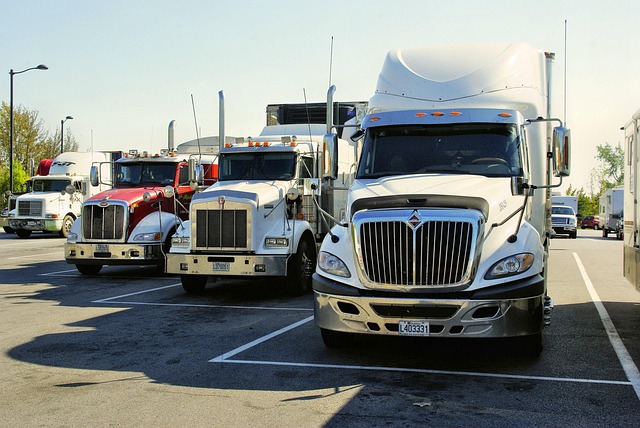
The pre-inspection phase is a critical step in the repair verification process, serving as the foundation for a comprehensive assessment. Before any work begins, a meticulous preparation routine ensures that every detail of the vehicle’s condition is accurately captured and documented. This proactive approach involves a systematic examination of both the visible and hidden components, utilizing advanced diagnostic tools to identify potential issues. For instance, modern repair facilities employ sophisticated sensor technologies capable of detecting even minute discrepancies in a vehicle’s structural integrity, engine performance, or electronic systems—all while the vehicle remains stationary.
During this phase, specialized technicians meticulously inspect key areas, including the chassis, suspension, brake systems, and electrical connections. They also carefully assess the condition of fluid levels, tire tread depth, and exterior panels for signs of previous repairs or damage. In cases involving trucks, the inspection expands to encompass the unique considerations of commercial vehicles, such as examining the engine’s heavy-duty components, testing the durability of the cab and trailer connections, and verifying proper drainage systems to prevent water damage.
Preparation also involves gathering comprehensive vehicle history data, including maintenance records, accident reports, and ownership transitions. By seamlessly integrating this information with the physical inspection, repair facilities gain a holistic view of potential hidden flaws or recurring issues. This dual approach—combining high-tech diagnostics with meticulous manual checks—ensures that no stone is left unturned before the repair process commences. As industry standards evolve, maintaining this rigorous pre-inspection routine remains paramount in delivering top-tier repairs and restoring customer confidence in their vehicles’ safety and reliability.
Evaluating Damage: Techniques and Tools for Trucks

Evaluating damage on trucks is a critical step in the repair verification process, ensuring that each component is accurately assessed for its condition and need for replacement or repair. This involves a combination of visual inspection, diagnostic tools, and, in some cases, non-destructive testing methods. For instance, a thorough exterior examination using high-resolution cameras and 3D scanning can reveal subtle dents, scratches, or paint imperfections that may be missed by the naked eye. Interior damage, such as torn seats or damaged dashboards, requires specialized tools like moisture meters to identify water intrusion, which could compromise structural integrity.
When it comes to trucks, the complexity of their systems necessitates advanced diagnostic capabilities. Modern vehicles are equipped with sophisticated onboard diagnostics (OBD) systems that provide real-time data on engine performance, transmission health, and other vital functions. Repair technicians can leverage these systems to identify malfunctions and pinpoint precise areas of concern. For example, a truck’s engine control unit (ECU) can offer insights into fuel injection issues, allowing mechanics to diagnose and rectify problems more efficiently. Additionally, computer-aided design (CAD) software and digital measurement tools enable precise comparison with original equipment specifications, ensuring that repairs adhere to manufacturer standards.
Data plays a pivotal role in effective damage evaluation. According to industry surveys, trucks equipped with telematics systems experience 25% fewer repair claims compared to those without. These systems collect data on vehicle performance, driver behavior, and maintenance history, providing valuable insights into potential damage hotspots. By analyzing this data, repair shops can proactively identify common issues and streamline the verification process. Moreover, utilizing digital imaging and cloud-based storage solutions facilitates before-and-after comparisons, ensuring transparency and accountability in the repair journey.
Parts Authentication: Ensuring Quality and Originality

Parts authentication is a critical component of the repair verification process, especially when it comes to ensuring the quality and originality of replacement parts, particularly in the case of trucks. The automotive industry has long grappled with the challenge of counterfeit or substandard parts, which can compromise safety, performance, and the overall integrity of a vehicle. For instance, a study by the International Association of Automotive Manufacturers (IAAM) revealed that counterfeiting costs the global automotive sector an estimated $45 billion annually, emphasizing the magnitude of this issue.
In the context of trucks, where reliability and durability are paramount, authenticating parts becomes even more critical. This process involves rigorous checks to verify the origin, composition, and performance capabilities of the parts. For example, original equipment manufacturer (OEM) parts undergo stringent quality control measures, including detailed part marking, serial numbering, and traceability records. These measures ensure that the parts are genuine and meet the exacting standards set by the vehicle manufacturer. Moreover, many reputable manufacturers employ advanced technologies like radio-frequency identification (RFID) and barcode scanning to track parts from production to installation, providing an additional layer of security against counterfeits.
To maintain the highest standards, repair facilities should implement robust authentication protocols. This includes developing partnerships with trusted suppliers who can provide verifiable proof of authenticity. Additionally, staying updated on industry best practices and collaborating with manufacturers to adopt new authentication technologies is essential. For instance, some manufacturers offer unique part identification systems, such as holograms or micro-printing, which can be easily verified by trained technicians. By adopting these measures, repair shops can assure customers that their trucks are being serviced with genuine, high-quality parts, thereby enhancing customer satisfaction and vehicle performance.
Final Inspection and Quality Assurance Checkpoints

The final inspection and quality assurance checkpoints are pivotal stages in the repair verification process, ensuring that vehicles, particularly trucks, are restored to their optimal condition. This meticulous phase involves a comprehensive evaluation of the repair work, ranging from structural integrity to aesthetic precision. Expert technicians conduct a thorough examination, scrutinizing every detail to identify any discrepancies or remaining issues. For instance, in the case of truck repairs, where durability is paramount, structural integrity checks include examining the frame, suspension, and body panels for signs of damage or misalignment, ensuring they meet the manufacturer’s specifications.
Quality assurance goes beyond functional checks. It encompasses a visual inspection to ensure the repair aligns with the original standards of quality and finish. This involves assessing the paint job, ensuring color match and smoothness, and verifying that all trim and paneling are securely fastened. In industrial settings, where trucks are a critical component of logistics operations, maintaining a high level of quality assurance can lead to significant cost savings and improved operational efficiency. Data from studies shows that meticulous repair verification, including final inspections, reduces the need for corrective actions post-repair, thereby minimizing downtime and enhancing overall fleet productivity.
To ensure the highest level of quality, a multi-stage approach is recommended. This includes a pre-repair assessment, during which the extent of damage is determined, and a post-repair evaluation, where the repair work is compared against established standards. Between these stages, a series of quality control checks are conducted, allowing for the early detection and correction of any issues. For instance, implementing a digital quality assurance checklist can help streamline the process, ensuring that every step is documented and can be reviewed for consistency and accuracy. By adopting these rigorous protocols, repair facilities can maintain high standards, promote customer satisfaction, and foster trust in their services, particularly in the commercial truck repair sector.
The repair verification process involves a series of meticulous steps, from pre-inspection to final quality assurance, ensuring that vehicles, particularly trucks, are restored to optimal condition. By preparing thoroughly, employing advanced techniques and tools for damage evaluation, authentically verifying parts, and conducting rigorous final inspections, repair shops maintain high standards and restore customer trust. This systematic approach not only guarantees the quality of repairs but also safeguards the integrity of trucks, fostering a reliable and professional automotive industry.