

DMV registration delays for trucks stem from safety inspections and complex documentation. To mitigate these issues, businesses must implement meticulous record-keeping, stay compliant with regulations, and leverage digital fleet management tools. A structured approach to registration, including accurate paperwork and detailed records, minimizes holds. Digitalizing DMV systems streamlines processes, reduces times by 20-30%, and ensures efficient global logistics for trucks.
DMV registration holds can significantly impact the efficient operation of trucking businesses. These delays, often caused by complex procedures and administrative backlogs, present a substantial challenge for fleet managers. With trucks serving as vital arteries for goods and services across the nation, streamlining these processes is crucial to maintaining economic productivity. This article delves into the intricacies of DMV registration holds, offering practical insights and potential solutions to expedite the registration process, particularly for truck operations. By the end, readers will gain valuable knowledge to enhance their fleet management strategies.
- Understanding DMV Registration Holds: A Comprehensive Guide
- Why Trucks Often Face Delays: Common Causes Explained
- Navigating the Process: Steps to Resolve Registration Issues
- Best Practices: Streamlining Truck Registration for Efficiency
Understanding DMV Registration Holds: A Comprehensive Guide

DMV registration holds can cause significant delays for individuals looking to register their vehicles, especially when it comes to trucks—a crucial aspect of many businesses relying on reliable transportation. These holds, often triggered by discrepancies or outstanding issues with previous registrations, serve as a safeguard against fraudulent activities but can present substantial challenges. Understanding the underlying causes and navigating these holds efficiently is essential, particularly for commercial fleets, to maintain operational continuity.
In the United States, for instance, the Department of Motor Vehicles (DMV) processes millions of registration renewals annually. However, certain circumstances may lead to a hold, such as identity verification failures, outstanding fines or fees, or issues with vehicle history reports. For trucks, which often traverse state lines and are subject to various regulations, these holds can be particularly frustrating due to the added complexity of compliance. According to the Federal Motor Carrier Safety Administration (FMCSA), over 12 million commercial vehicles were inspected in 2021, highlighting the immense logistical web that DMV registration holds can ensnare.
To address these issues proactively, businesses should implement meticulous record-keeping practices and stay abreast of regulatory changes. Regularly updating vehicle information, ensuring accurate documentation, and promptly resolving any outstanding issues can significantly reduce hold times. Additionally, leveraging digital tools designed for fleet management offers a strategic advantage by streamlining communication with DMVs and facilitating efficient issue resolution. By adopting these measures, businesses can transform potential registration holds from roadblocks into manageable obstacles, ensuring their trucks remain on the road, contributing to the smooth flow of goods and services.
Why Trucks Often Face Delays: Common Causes Explained
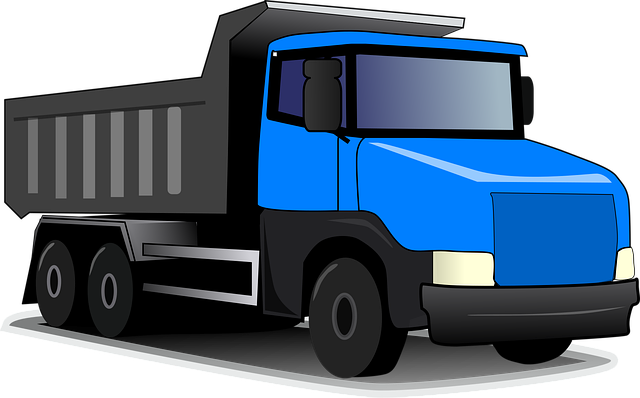
Trucks, due to their size and complexity, often face significant delays during DMV registration processes. Understanding the common causes behind these holds is crucial for both fleet operators and individual truck owners. One primary factor is the thoroughness required to ensure safety compliance. Each truck must undergo rigorous inspections to meet regulatory standards, which can sometimes lead to backlogs as authorities process a large volume of vehicles. For instance, issues related to brakes, lights, and emission control systems often require detailed attention, delaying the overall registration process.
Another contributing reason is the documentation required for trucks. These vehicles typically have specialized use cases, such as hauling hazardous materials or operating in multiple states, which necessitate additional permits and certifications. The complexity of these documents and the need for cross-verification among various agencies can result in delays. According to recent studies, truck registration holds due to documentation issues average around 15% of total applications, with some regions experiencing spikes during peak seasons.
Moreover, fleet managers often struggle with coordinating multiple trucks and their unique requirements simultaneously. Managing a diverse range of vehicles, each with its own set of modifications and historical service records, can be labyrinthine. Manual tracking and paperwork are common pain points, leading to errors and further delays. Implementing digital solutions for vehicle management and registration tracking has become essential in streamlining these processes, reducing holds, and ensuring faster, more efficient truck registrations.
Navigating the Process: Steps to Resolve Registration Issues
Navigating the DMV registration holds for trucks involves a series of precise steps to resolve any issues efficiently. First, identify the specific problem—whether it’s an incomplete application, incorrect documentation, or technical glitches. If you encounter challenges with your truck’s registration, start by gathering all relevant paperwork and ensuring each element is accurate and complete. This meticulous approach ensures that no vital information is overlooked during the initial review process.
For instance, when registering a commercial truck, ensure that you have the required forms, proof of insurance, vehicle inspection certificates, and any emissions test results. Inaccurate or missing data can significantly delay the registration process. Once your documents are in order, visit the DMV office or utilize their online services to submit your application. Online platforms offer convenience but may require additional verification steps compared to in-person submissions.
If issues persist, engage with the DMV support staff. They are equipped to guide you through problem-solving strategies specific to truck registrations. For recurring technical problems, keep detailed records of interactions and outcomes. This documentation can be invaluable when appealing any registration denials or delays. By following these structured steps, trucking operations can streamline their registration processes, minimizing disruptions and ensuring compliance with DMV regulations.
Best Practices: Streamlining Truck Registration for Efficiency

Streamlining truck registration processes is a strategic necessity for any jurisdiction aiming to enhance efficiency within the transportation sector. With trucks serving as a vital cog in the global logistics chain, efficient registration holds immense significance. This section delves into best practices that can significantly optimize this process, reducing administrative burdens and wait times for both commercial trucking operations and individual owners.
One of the cornerstones of streamlined truck registration is digitizing existing systems. Many traditional DMV (Department of Motor Vehicles) registration processes remain paper-based, leading to delays and inefficiencies. Implementing digital platforms allows for real-time data management, immediate verification of documents, and automated reminders for renewal. For instance, several US states have successfully introduced online registration portals, resulting in a 20-30% reduction in processing times compared to manual methods. This shift not only expedites registration but also minimizes errors by eliminating manual data entry.
Another effective strategy involves standardized registration forms tailored specifically for trucks. Currently, many DMVs use generic forms that do not account for the unique requirements of commercial vehicles. Customizing forms to include specific sections for truck details, such as cargo capacity, number of axles, and specialized equipment, can significantly streamline data collection. Furthermore, offering pre-filled online applications based on existing vehicle records can save time for both customers and DMV staff. For example, California’s DMV uses an online application that pulls relevant data from the vehicle’s last registration, simplifying the process for truck owners.
Regular system updates and feedback integration are imperative to maintain efficiency. As technology advances, so too do expectations regarding service quality. Keeping systems updated with the latest software ensures optimal performance. Additionally, establishing feedback mechanisms allows DMVs to identify pain points in the registration process. This could involve customer surveys or focus groups, enabling them to make data-driven decisions for continuous improvement. By adopting these best practices, DMVs can ensure that truck registration becomes a seamless experience, fostering a more robust and efficient transportation network.
DMV registration holds can significantly impact truck operations, often leading to delays that disrupt supply chains. Key insights reveal that trucks face unique challenges due to their size, complexity, and high-volume nature. Common causes of registration issues include documentation errors, compliance failures, and state-specific regulations. To streamline the process, operators should adopt best practices such as staying updated on requirements, maintaining meticulous records, and leveraging technology for efficient tracking and communication. By navigating these steps effectively, trucking businesses can minimize holds, enhance operational efficiency, and ensure timely deliveries in today’s fast-paced logistics landscape.